
Israeli Bandage vs Tourniquet Application Scenarios In Tactical Trauma Care
- YEYETAC™

- Feb 3
- 5 min read
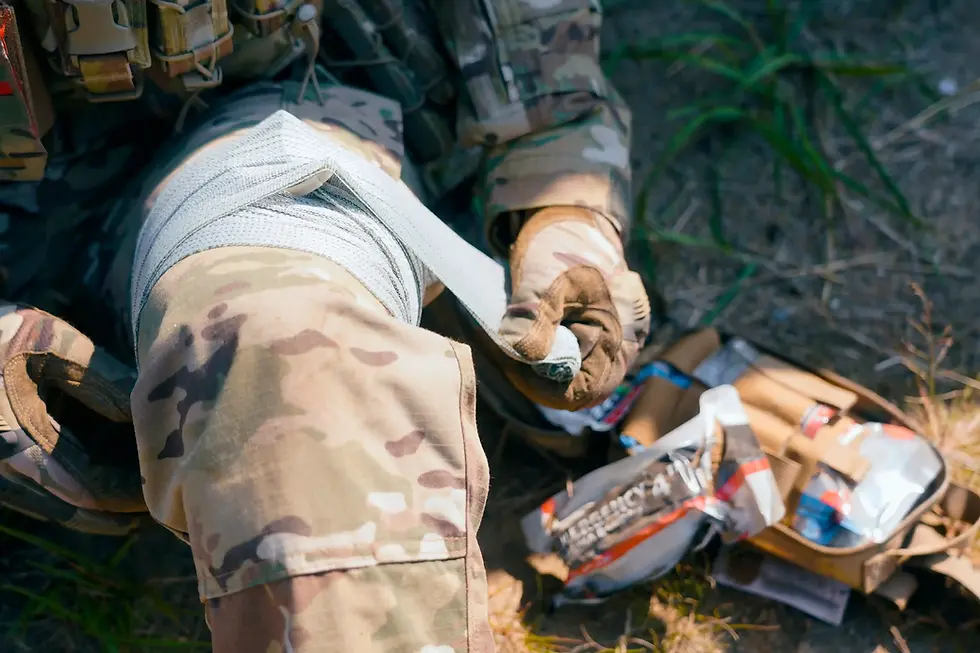
After working with tactical medical equipment for over a decade, I've seen how the right tools in the right situations save lives. Two critical items stand out in every quality trauma kit: the Israeli bandage and the tourniquet. While both control bleeding, they serve different purposes in emergency situations. Let's break down when and how to use each one.
What Is An Israeli Bandage?
The Israeli bandage (also called emergency bandage or trauma bandage) is a versatile pressure dressing designed for immediate hemorrhage control. Unlike basic bandages, it incorporates multiple components into one integrated system.
These bandages come in standard 4-inch widths, with 6-inch versions available for larger wounds. All legitimate medical-grade Israeli bandages must be vacuum-sealed and sterilized to ensure they're safe to use directly on open wounds.
Key Designs Of Israeli Bandages
The Israeli bandage design integrates multiple functions into one tool:
All-in-one design: Combines absorbent dressing, pressure application device, and securing system
Pressure bar: Unique pivoting bar allows one-handed operation for applying pressure
Securing clip: End fastener ensures the bandage stays tight once applied
Sterile pad: Central absorbent pad for direct wound contact
Elastic bandage: Stretchy material that provides proper tension for pressure
How To Apply An Israeli Bandage
Place the sterile pad directly on the wound
Wrap the bandage tightly around the injured area
Pass the bandage through the pressure bar to create compression
Continue wrapping and secure with the attached clip
Check blood circulation and adjust pressure if necessary
Israeli Bandage Application Scenarios
Israeli bandages excel in these situations:
Medium to large wounds requiring coverage and compression
Injuries needing simultaneous bleeding control and wound protection
Deep wounds on the head, limbs, or torso
Emergency situations requiring one-handed operation
When direct pressure alone is insufficient but a tourniquet would be excessive
What Is A Tourniquet?
A tourniquet is a device designed to completely stop blood flow in an extremity by applying circumferential pressure. Modern combat tourniquets feature either plastic or metal windlass rods that twist to create the necessary pressure to occlude arterial blood flow.
For maximum effectiveness, tourniquets should be stored in a "ready" position, allowing immediate application without complex preparation.

Key Designs Of Modern Tourniquets
Strap/band: Wraps around the limb, providing initial constraint
Pressure device/windlass: The rotating component that increases tension
Securing system: Locks the windlass in place to maintain pressure
Time marker/tag: For recording application time for medical personnel
How To Apply A Tourniquet
Position the tourniquet 2-3 inches above the wound, avoiding joints
Tighten until bleeding stops
Secure the tourniquet in place using the locking mechanism
Record the time of application
Seek immediate medical attention
Tourniquet Application Scenarios
According to Tactical Combat Casualty Care (TCCC) guidelines, tourniquets should only be applied in cases of massive hemorrhage with specific identifiable signs:
Pulsatile or spurting blood: Blood actively ejecting from a wound in rhythm with the heartbeat, indicating arterial injury
Continuous and heavy flow: A steady, rapid stream that doesn't slow down
Quick saturation of clothing or dressings: Bandages becoming completely soaked within minutes
Visible pooling of blood on the ground: Significant blood gathering around the casualty
Traumatic amputation: Any partial or complete limb severation (automatically classified as massive hemorrhage under TCCC protocols)
These specific scenarios include:
Industrial accidents with significant extremity bleeding
Combat or tactical environments with penetrating limb injuries
Outdoor emergencies where evacuation will be delayed
Environments where tourniquets prove essential include:
Industrial zones or construction sites
Hiking, outdoor survival, or expedition scenarios
Active shooter incidents or combat environments
The Life-Saving Importance of Tourniquets: Manchester Arena Inquiry
The critical importance of tourniquets was tragically highlighted in the Manchester Arena Inquiry report. Following the 2017 bombing that killed 22 people, the official investigation concluded that at least one victim, 28-year-old John Atkinson, might have survived had proper bleeding control measures been taken promptly.
According to the inquiry report, Mr. Atkinson suffered serious leg injuries and lost significant blood while waiting a long time for medical evacuation.
The report specifically stated: "The inadequacy of the emergency response and the failure to provide timely, effective bleeding control measures contributed to John Atkinson's death." This case underscores why immediate access to proper bleeding control tools and training in their use is absolutely critical in public venues and emergency response protocols. When catastrophic bleeding occurs, having tourniquets immediately available and the knowledge to use them can make the difference between life and death.
Critical Points Often Overlooked
Israeli Bandage One-Handed Application Problem
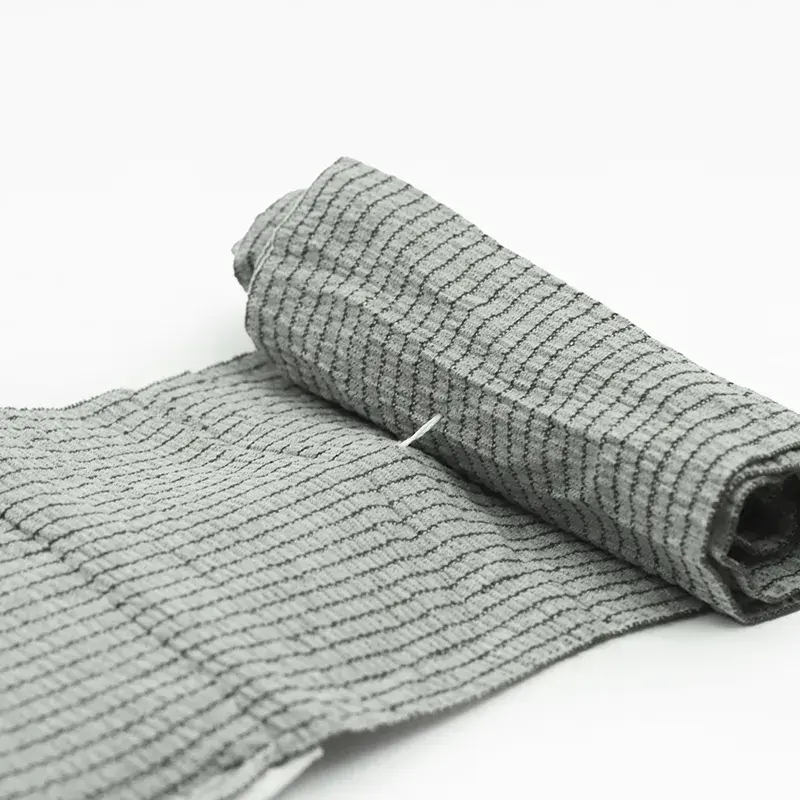
A dangerous flaw appears in many Israeli bandages during one-handed application. When you have one injured hand and need to apply the bandage with your other hand, the initially rolled bandage can completely unravel and fall to the ground.

This instantly contaminates your sterile bandage while leaving your wound untreated. Some manufacturers have addressed this by adding an internal stop-thread that prevents complete unrolling while still allowing full application.
Tourniquet Time Limitations
Tourniquets work by completely stopping blood flow, a powerful but potentially dangerous action. Extended application can lead to tissue death and possible amputation. The maximum safe application time is generally 2 hours, though this can be extended to 6 hours in extreme circumstances where medical care isn't available.
Beyond 6-8 hours, the risk of irreversible tissue damage and necessary amputation increases dramatically. Always record application time and prioritize reaching professional medical care within 2 hours when possible.
Specialized Kits For Different Scenarios
Smart manufacturers have begun creating purpose-specific medical kits based on likely emergency scenarios. For example, bleeding control kits designed specifically for hemorrhage emergencies feature external elastics that hold tourniquets for instant access.

Conclusion
Selecting the right bleeding control tools for your emergency situations could mean the difference between life and death. Israeli bandages excel for most wounds requiring pressure and protection, while tourniquets remain essential for catastrophic extremity hemorrhage. For optimal preparation, ensure your kits contain both tools properly staged for immediate use, and look for quality features like stop-thread technology in bandages.
YEYETAC™ resolves emerging issues and maintains rigorous quality control over product standards. Its professionally designed bleeding control kits play a vital role in emergency situations involving severe bleeding.
FAQs
How to choose the right tourniquet for battlefield use?
For battlefield use, select tourniquets that are CoTCCC-approved (Committee on Tactical Combat Casualty Care). These models have proven durability in extreme environments, one-handed application capability, and consistent pressure application. Look for models with high-visibility windlass systems and securing mechanisms that won't fail under combat conditions.
What is the shelf life of the YEYETAC™ Emergency Trauma Bandage?
The YEYETAC™ Emergency Trauma Bandage has a 5-year shelf life when stored properly in its original vacuum-sealed packaging. The aluminized material protects against environmental factors, ensuring the bandage remains sterile and fully functional throughout its shelf life even in challenging storage conditions.
Are there volume discounts available for emergency services and government agencies?
Yes, we offer specialized pricing tiers for official emergency services, government agencies, and military units. Contact our wholesale department for agency-specific quotes and procurement options.
Where to buy bleeding control kits?
In China, several excellent manufacturers produce high-quality bleeding control kits. YEYETAC™, based in Wuxi, is an industry excellence offering customizable bleeding control kits for bulk orders. They provide options to tailor the configuration according to your specific needs, whether for tactical, civil, or specialized medical applications. Their manufacturing facilities meet international standards for medical supplies, making them an excellent option for both domestic and international procurement.


Comments